Electromagnetic brakes are commonly found in mid-to-high-end electric golf carts, typically mounted on the rear end of the drive motor. Their primary role is to serve as a parking brake, and in some models, they also function as an emergency braking aid. The core design principle is: energize to release, de-energize to lock — the brake pads are clamped by spring force to engage the brake, and when power is applied, electromagnetic force overcomes the spring pressure to disengage the pads. This “fail-safe” design means that once the electrical circuit is interrupted, the brake automatically locks to prevent the cart from rolling.
How It Works:
Parking state (power off): Springs press the brake pads against the brake disc, locking it in place. The wheels cannot turn.
Driving state (power on): The electromagnetic coil receives power and generates magnetic force, overcoming spring pressure to pull the brake pads away from the disc. The brake is released.
Emergency braking: During driving, the control system can actively cut off power to the electromagnetic brake, applying auxiliary braking force.
Common Symptoms and Troubleshooting Tips:
1. Cart won’t move after startup, with a buzzing or humming sound from the motor
This usually indicates that the electromagnetic brake is not releasing properly. First, check whether the parking brake switch is stuck or damaged. Verify that the controller is outputting the correct power signal. Then use a multimeter to measure the supply voltage to the electromagnetic brake — insufficient voltage means inadequate magnetic force to overcome the spring pressure.
2. Noticeable dragging sensation while driving, with significantly reduced range
If the cart feels sluggish and doesn’t coast as far as it should, the brake pad clearance may be too small, or the return mechanism may be sticking, causing the brake disc to remain in partial contact. Check whether the gap between the brake pads and the disc falls within the normal range. For most models, the standard clearance is between 0.3 and 0.5 millimeters. If the clearance is too small, adjustment or replacement of the relevant components is required.
3. Cart rolls on slopes when parked
If the brake is engaged but the cart still rolls on an incline, the braking force is insufficient. Wear and tear over time reduces brake pad thickness, and spring fatigue weakens clamping force. In this case, consider replacing the brake pads. If the return spring has aged significantly, it is recommended to replace both the pads and the spring at the same time.
4. Sharp squealing noise when the brake releases
A piercing screech during brake release is often caused by hardened pad surfaces, oil or grease contamination, or embedded debris. Remove the brake pads and gently sand the friction surface with fine sandpaper to remove the hardened layer, while also cleaning the brake disc. Avoid over-sanding, which could compromise braking performance.
Maintenance Reminders:
The electromagnetic brake is a precision sealed assembly and is generally not recommended for user disassembly. For routine care, keep the wiring terminals dry and clean to prevent mud or water ingress that could cause short circuits or corrosion. After driving through water, check the brake’s operation as soon as possible. If you notice any issues — such as sluggish release, worsening noise, or noticeably weakened braking force — have the unit inspected by a qualified technician without delay. After all, the braking system is a critical safety component.
Introduction:Electric golf carts are no longer just a tool exclusive to golf courses; they have become the preferred transportation choice for more and more users. With increasing environmental awareness and technological advancements, electric golf carts are now showcasing unique advantages across various sectors. So, why are electric golf carts becoming the future trend? Body: Conclusion:Overall, […]
Introduction:As an eco-friendly and cost-effective transportation tool, electric golf carts are gaining popularity. However, how can you maintain and extend the lifespan of your electric golf cart? In this blog, we will share some simple and effective maintenance tips to help you ensure your cart stays in top condition for years to come. Body: Conclusion:By […]
Introduction:When buying a golf cart, many people find themselves debating between electric and gas-powered models. So, what’s the difference between electric and gas golf carts, and which one is better suited for your needs? In this blog, we will provide a detailed comparison to help you make the best decision. Body: Conclusion:Whether you choose an […]
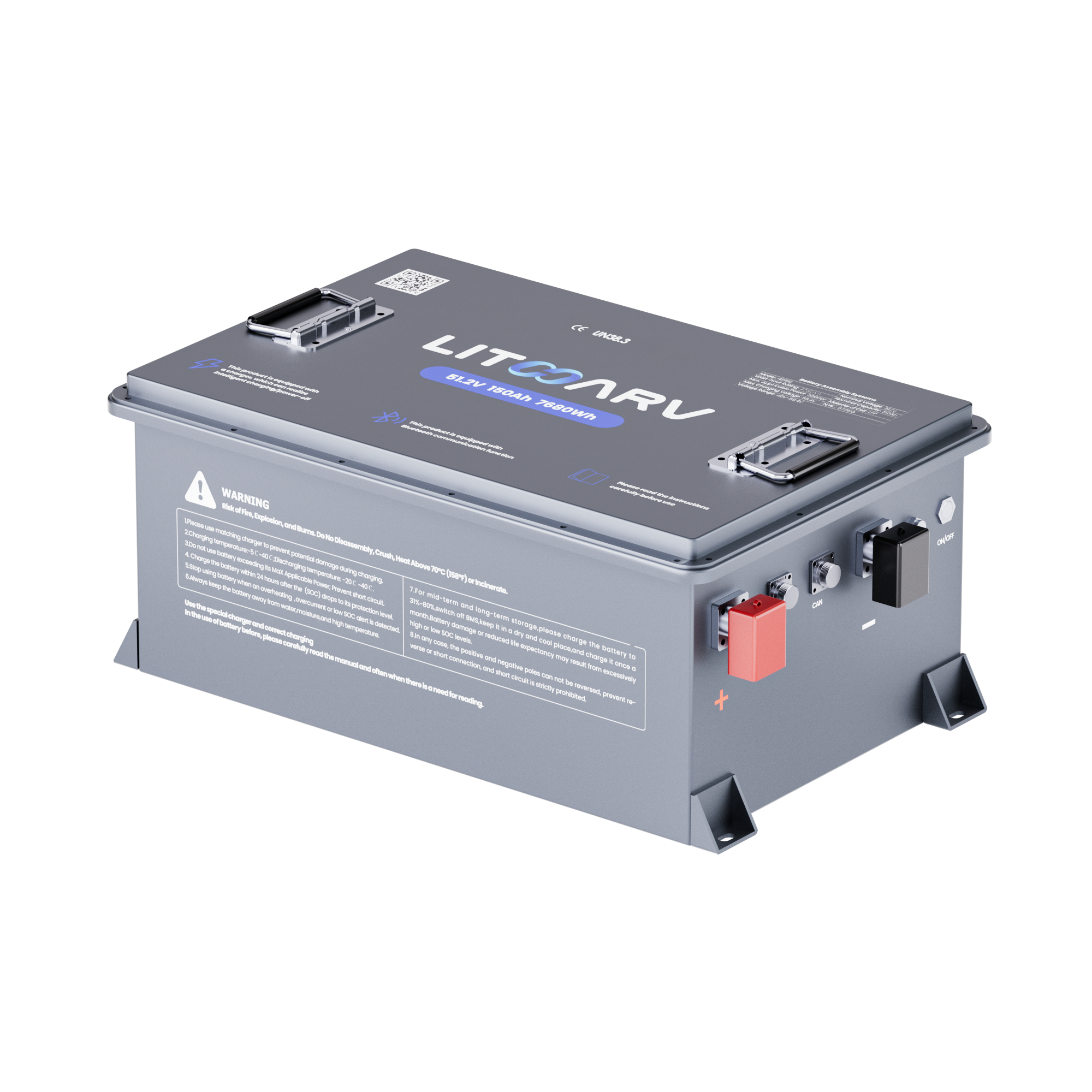
Prohibition on Using Lead-Acid Chargers for Lithium BatteriesFor common 48V and 72V electrical systems, the full charge voltages of lead-acid and lithium batteries are different, and their charging logic is also not the same. Using the wrong type of charger may, at best, prevent the battery from reaching a full charge, and at worst, cause […]
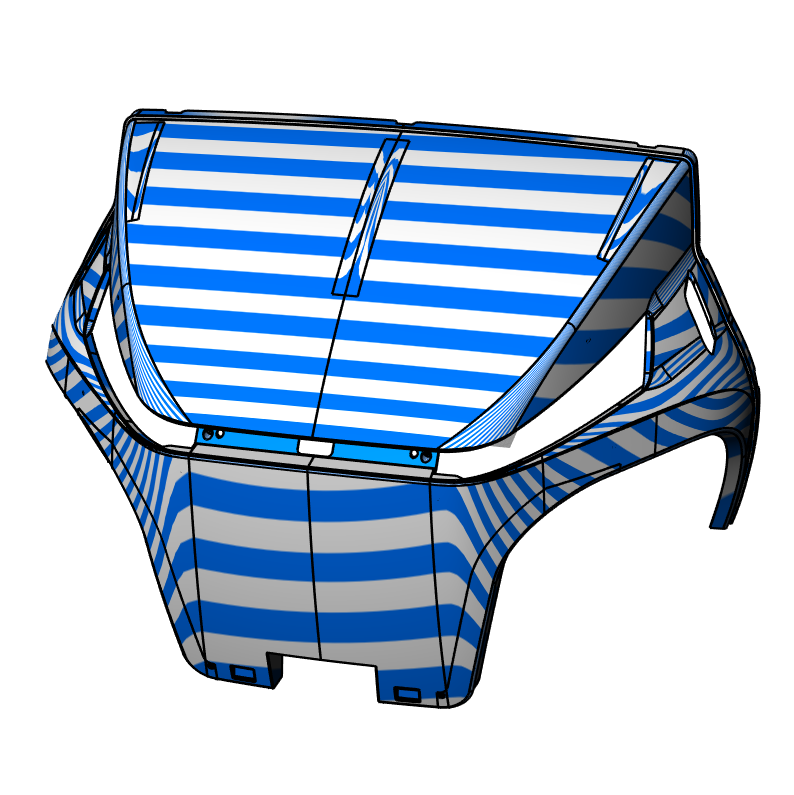
(Exterior A-level curved surface standard) For the exterior components such as the body, front face, side wings, and roof of a golf cart, the commonly used CAS modeling surface (conceptual A-level surface) in the automotive industry is used to construct the process. Taking Rhino, a mainstream industrial design modeling software, as an example. It is […]
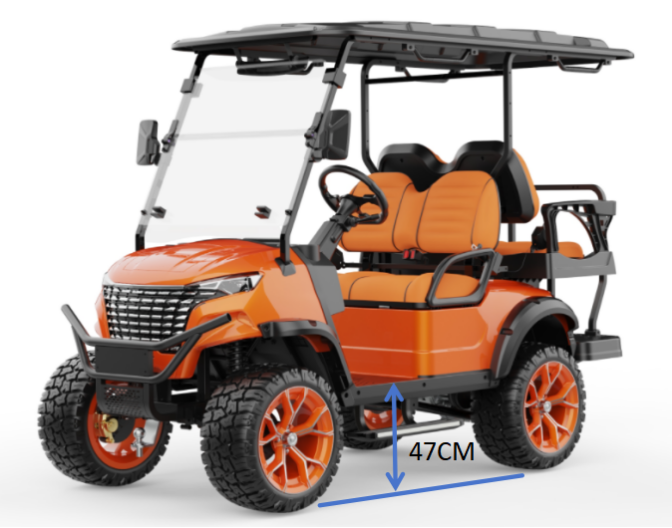
Golf carts are used in a wide variety of scenarios, including golf courses, community commuting, sightseeing tours, senior mobility, farms, and ranches. Different use cases call for different chassis heights: On golf courses and in community settings—especially for senior users—roads are generally flat. Customers prefer a lower chassis for easier and quicker entry and exit, […]


.jpg)